Fixed-income credit spreads widened moderately in the third quarter after tightening in the previous quarter. Continued uncertainty due to the Mideast conflict, higher energy costs and a surge of issuance to fund the AI spending boom pressured spreads wider.
Investment-grade corporate spreads increased slightly while both higher-yield corporate spreads and emerging markets debt spreads increased meaningfully. Spreads, however, remained well below the long-term median level.
Year-to-date investment-grade credit spreads are moderately wider while emerging markets debt spreads are roughly unchanged. High-yield spreads are moderately wider, however, due in part to concerns over the impact of artificial intelligence on the software sector and steadily increasing debt loads in the technology sector to fund artificial intelligence. Credit spreads are the increased yield over Treasuries in corporate and other bonds for risks such as default, liquidity and volatility.
Despite recent widening, high-yield spreads entered the fourth quarter in the richest quartile of long-term historical levels while investment-grade spreads were in the richest decile. Relatively tight spread levels are supported by a strong economic outlook, strong demand for credit and still solid fundamentals. The main threat to fundamentals is increasing debt loads to fund capital spending.
While spreads are relatively tight, yields are at very attractive levels given the rise in Treasury rates. Flows into credit products are strong given higher yields. Total returns in the third quarter, however, were broadly negative, with investment-grade corporates returning -3.9% and emerging markets debt posting a -4.3% return. High-yield bonds, which generally have less sensitivity to rate moves than investment-grade bonds, outperformed with a return of -1.8%.
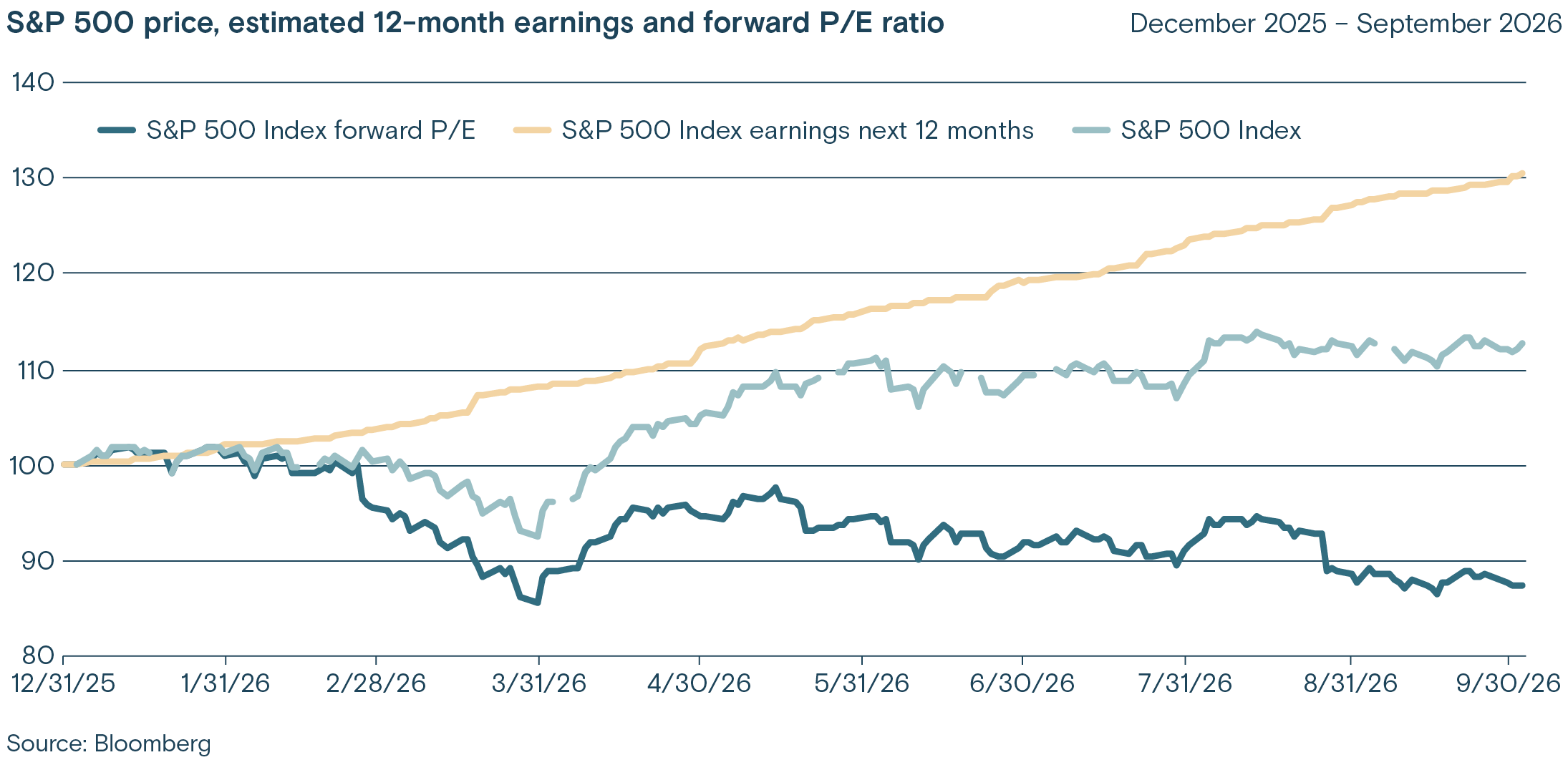
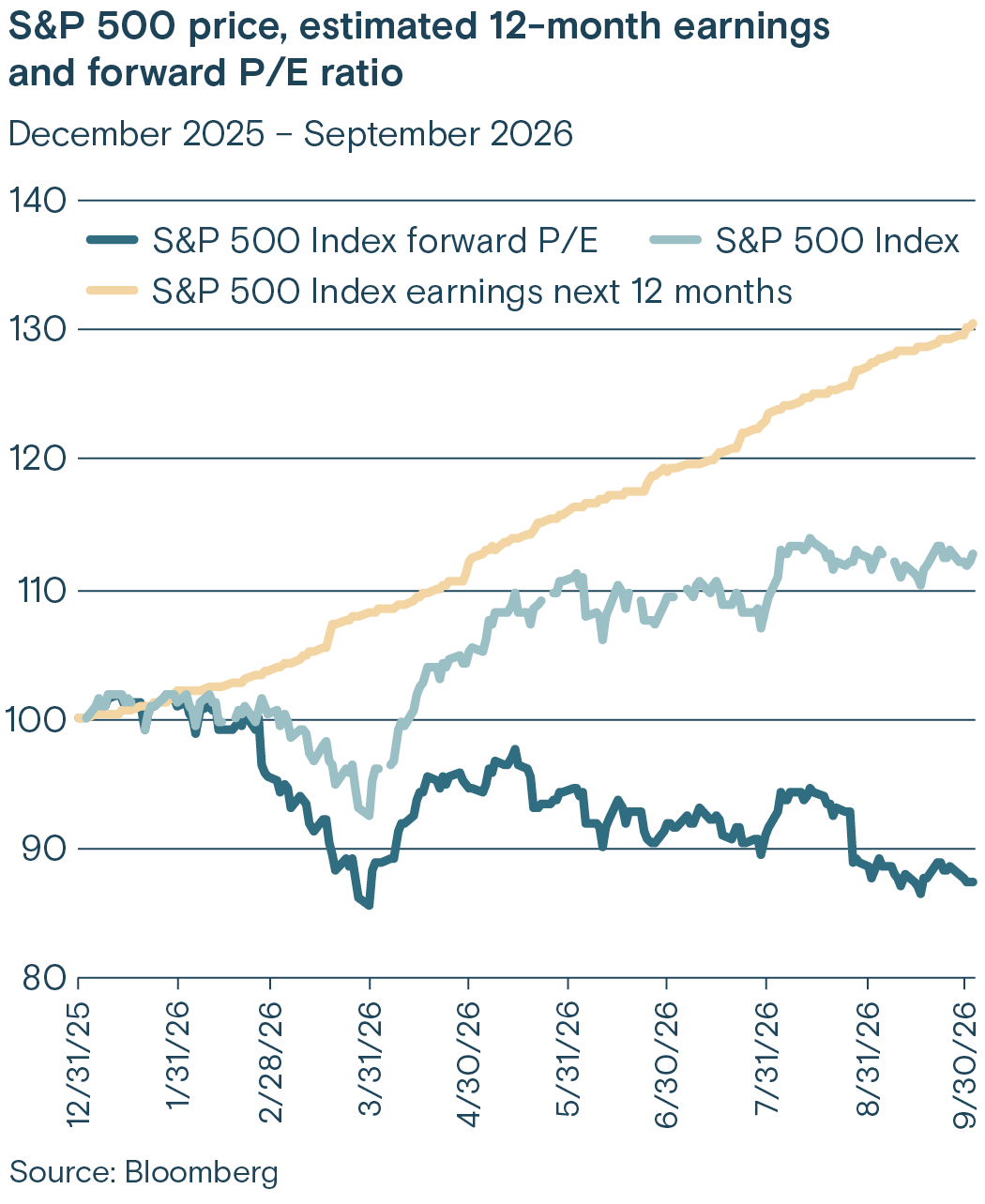
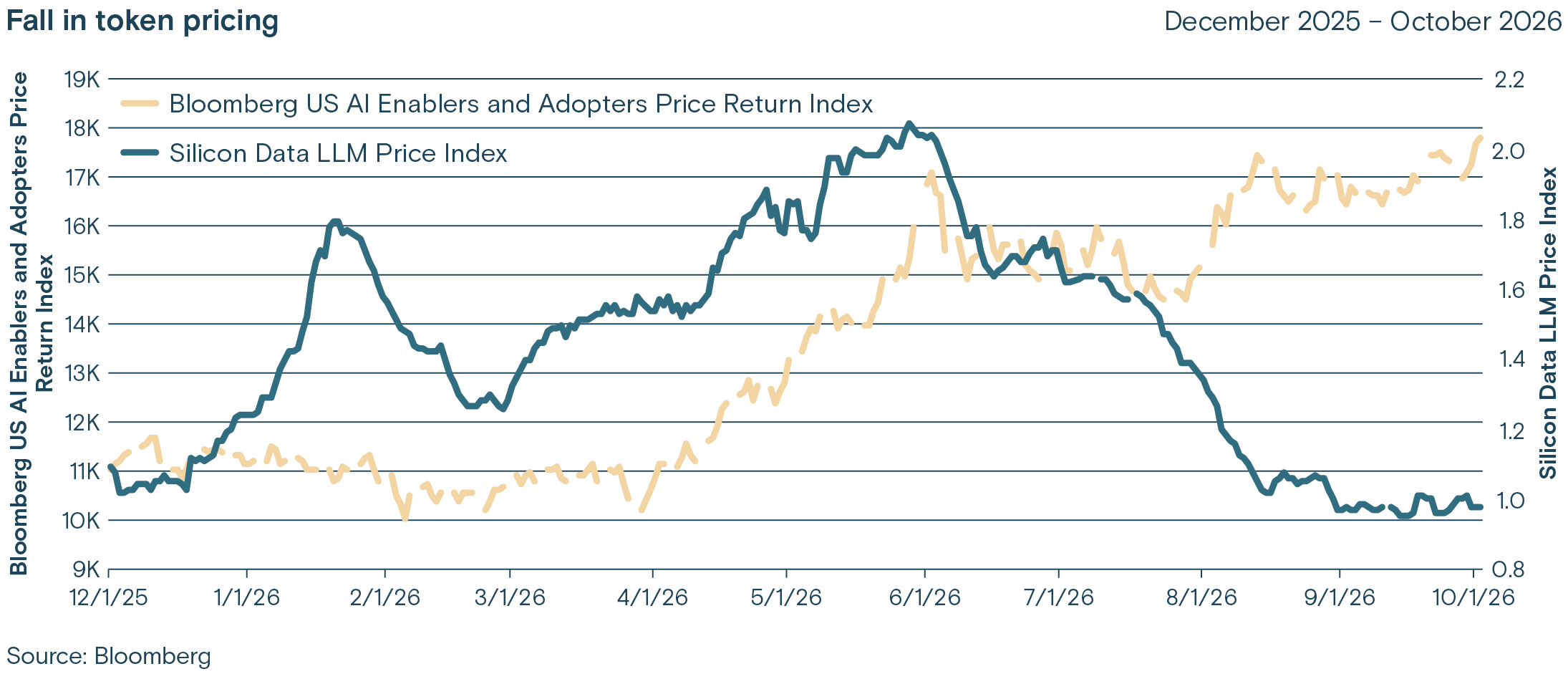
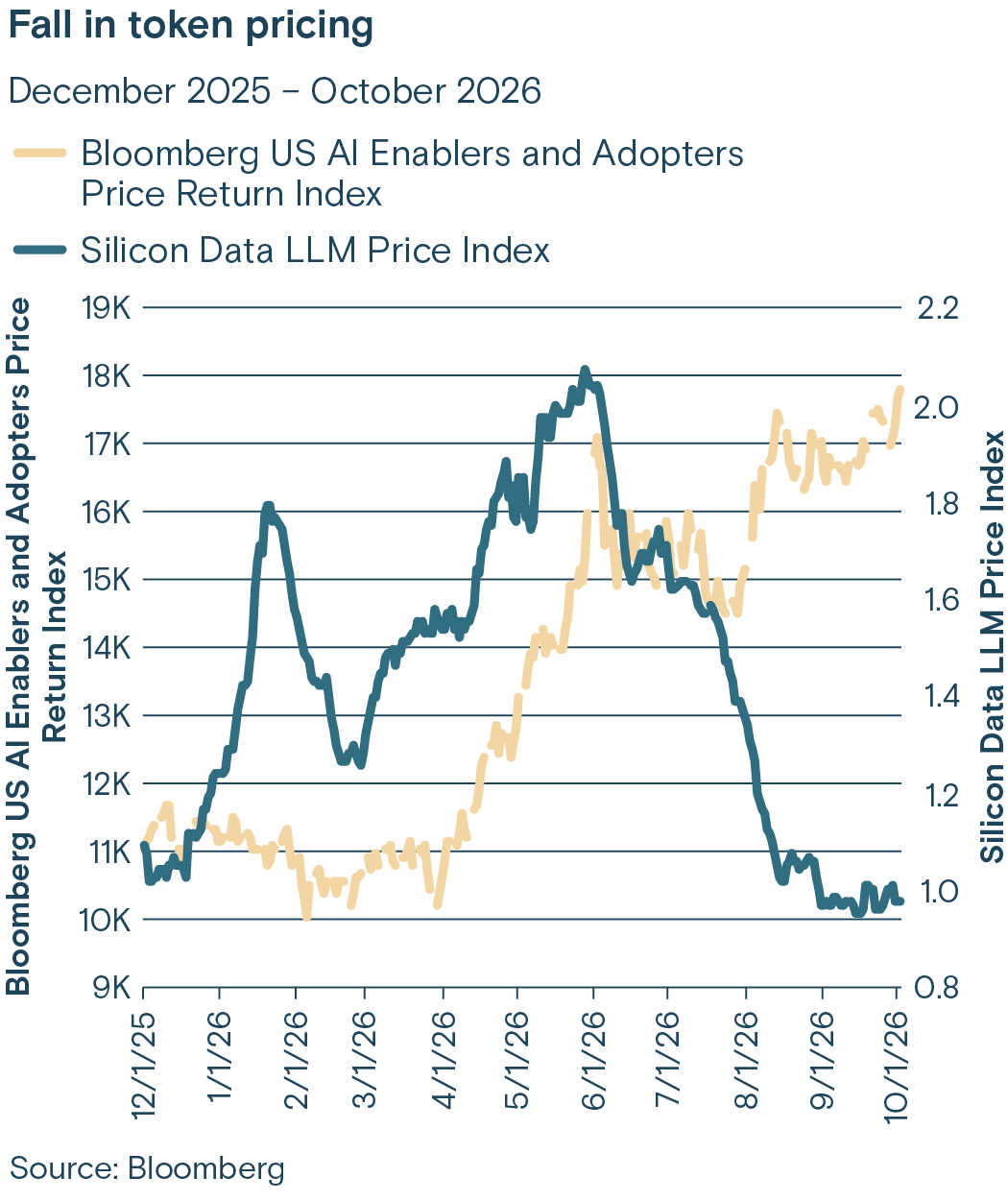
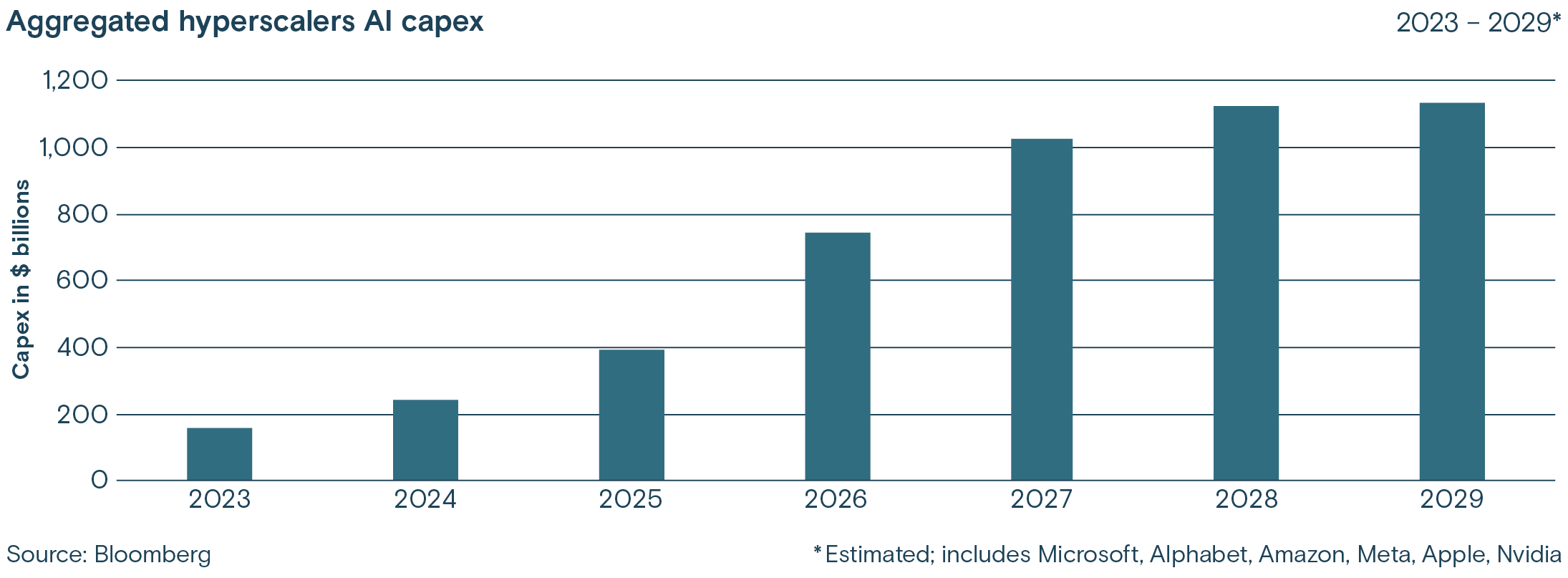
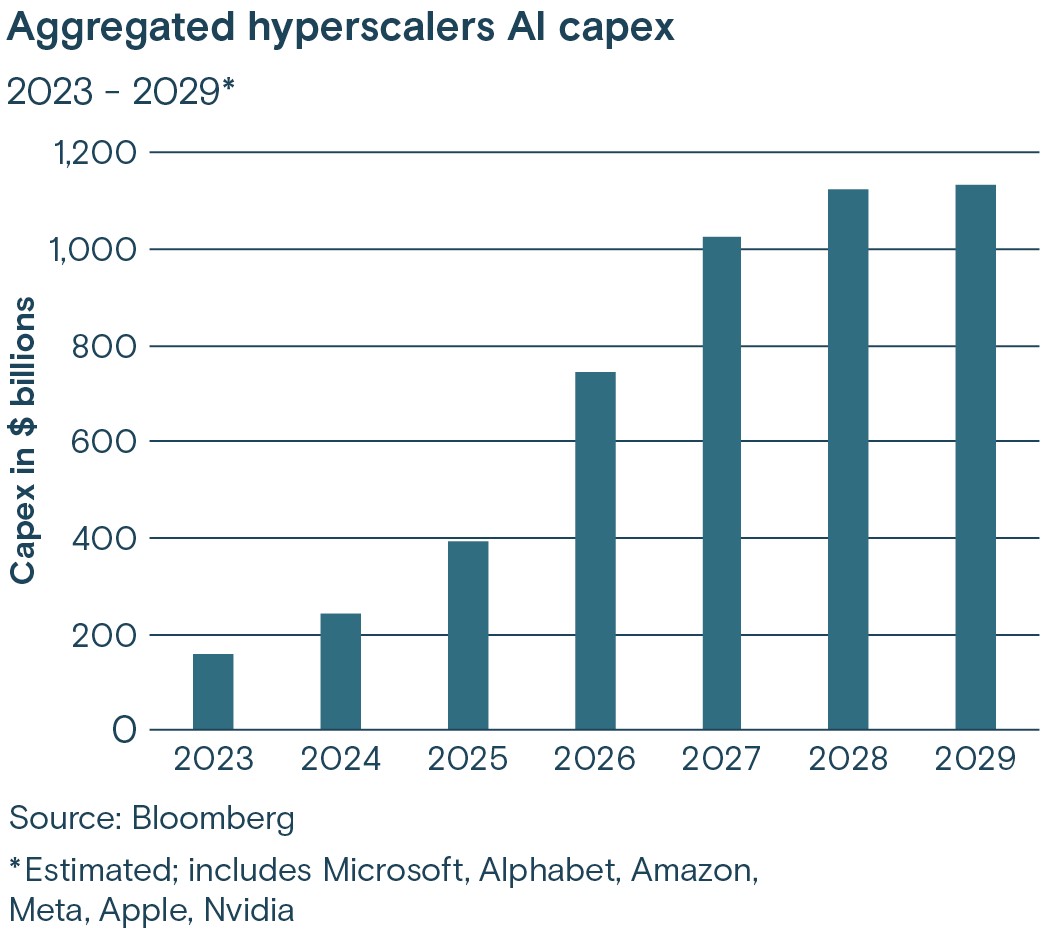
Looking ahead, we expect credit to remain under pressure despite a growing economy and strong earnings. Continued high debt issuance to fund the build out of AI could pressure credit spreads wider with estimates of 2026 capital spending from the leading AI large-cap companies running as high as $900 billion this year and up to $1.4 trillion in 2027.
While credit markets so far have absorbed the new debt with only moderate spread widening, concerns are increasing over the stress from higher interest rates, higher debt levels and deteriorating fundamentals due to capital spending absorbing more of operating cash flow. The key risk is if AI fails to generate enough revenue to justify the high level of capital spending.
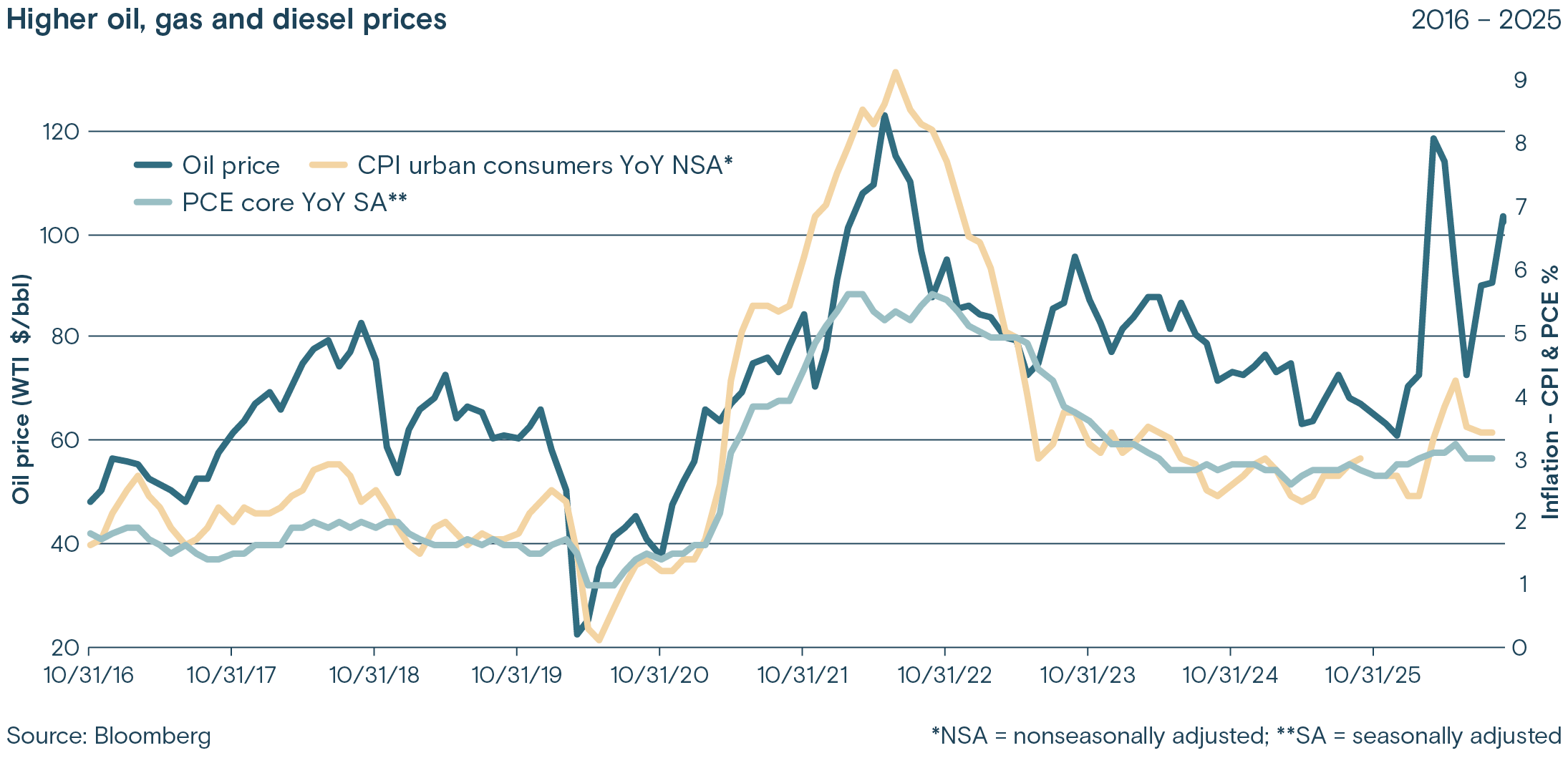
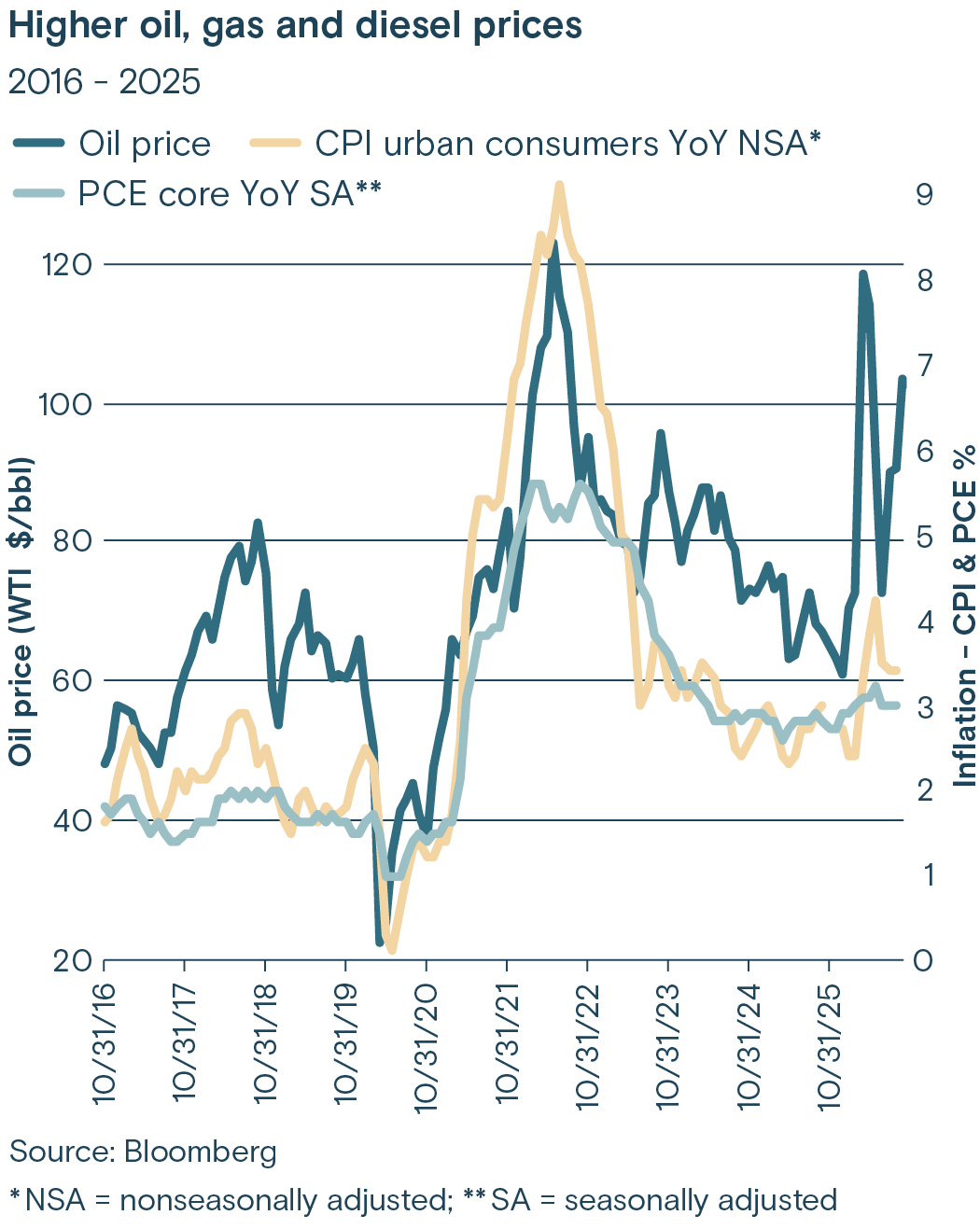
Also, continued conflict in the Persian Gulf remains a risk to oil markets and credit quality.
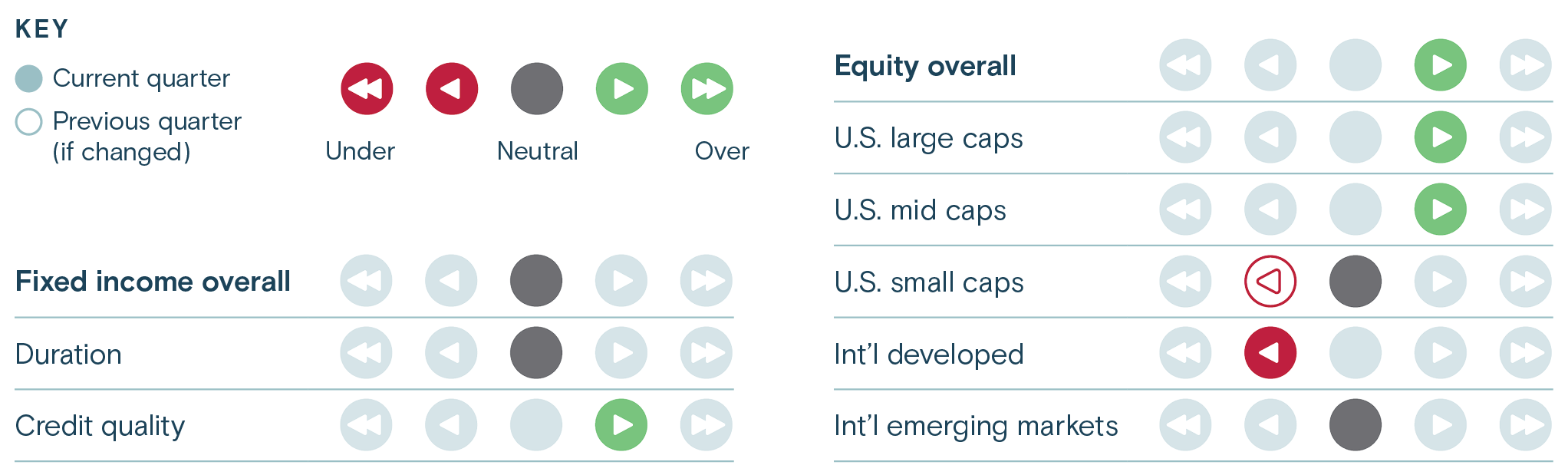
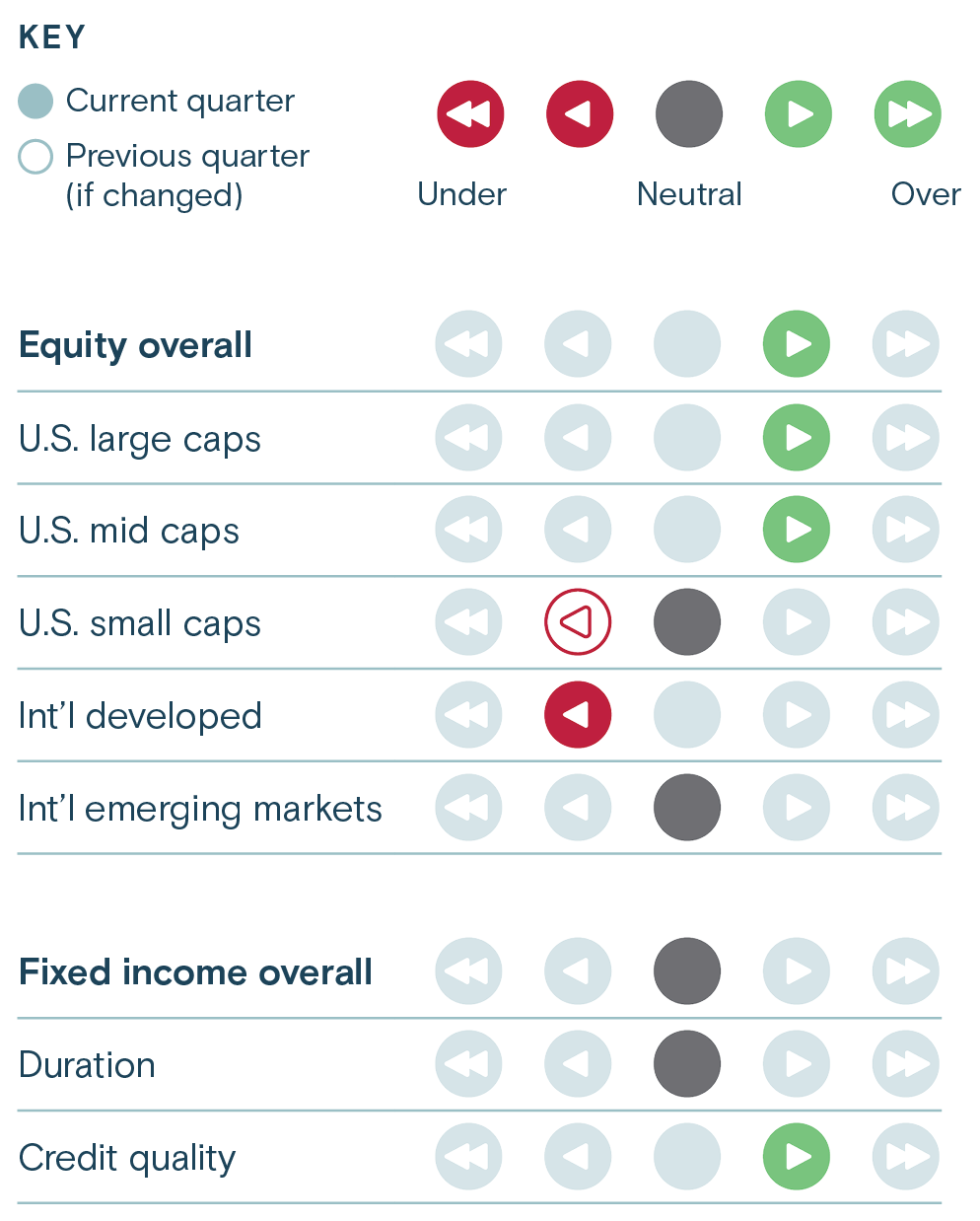
We remain moderately overweight credit given attractive yields, favoring higher-quality credit, such as securitized credit, investment-grade emerging markets bonds, investment grade corporates and BB-rated high yield corporates. We also favor collateralized loan obligations (CLOs) over leveraged loans. We are underweight lower-quality credit, such as leveraged loans and high yield, which have weaker fundamentals and would be pressured more by higher interest rates.










![2026 Q4 Market Outlook [PODCAST]](/content/dam/thrivent/fp/fp-insights/advisors-market360-podcast/advisors-market360-podcast-16x9-branding-insights-card.jpg/_jcr_content/renditions/cq5dam.web.1280.1280.jpeg)
![Q4 2026 Market Outlook [VIDEO]](/content/dam/thrivent/fp/fp-insights/market-updates/q4-2026-market-outlook/q4-2026-market-outlook-1920x1080.png/_jcr_content/renditions/cq5dam.web.1280.1280.jpeg)